|
Around the world by bike
|

|
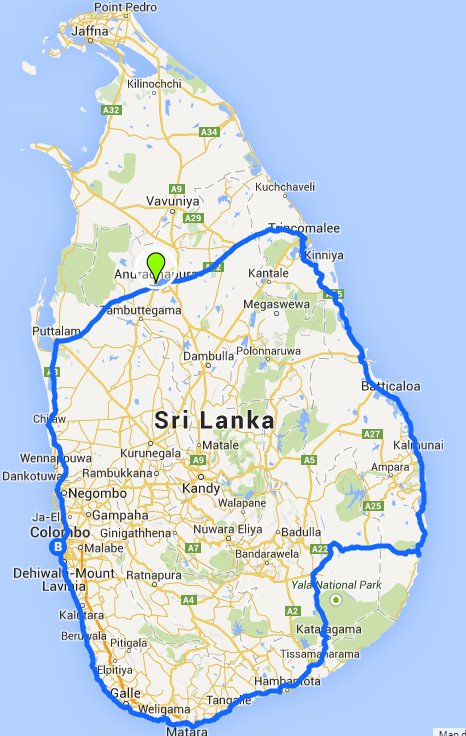
22 February - Muscat, Oman – Colombo, Sri Lanka
My flight from Oman to Sri Lanka touched down in Colombo in the early hours of the morning, and after drawing a few rupees, and buying a new SIM card, I discovered Sri Lanka Air had lost my bag. The bike, however, was there and after a lengthy process, I left the airport, minus my luggage, and caught a taxi into town.
It was love at first sight, and a big smile crossed my face as the taxi headed into town, realising I was firmly in the land of tuk-tuks, paan, Buddhas and monks. It was hot, it was humid, it was green, and it was all slightly chaotic.
23 February - Colombo
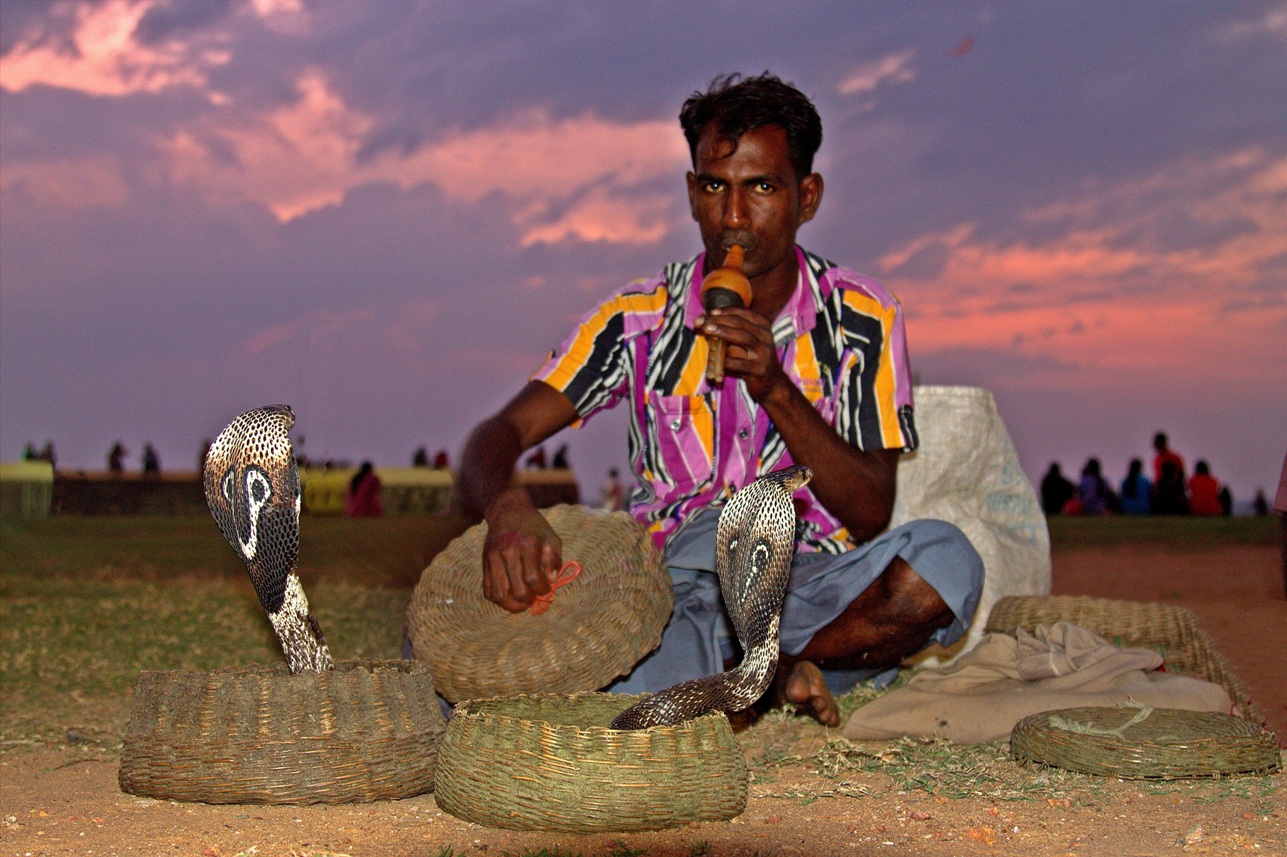
After reassembling the bike, it was time to explore the historic part of town. The old market was, however, quite impossible to cycle through, and all one could do was to push the bike along the narrow lanes. Later that evening, a tuk-tuk ride took me to the beachfront for sunset. The sunset was unspectacular, and more fascinating was the snake charmer appearing to hypnotise a snake by playing an instrument called a pungi. I didn’t even know they still existed.
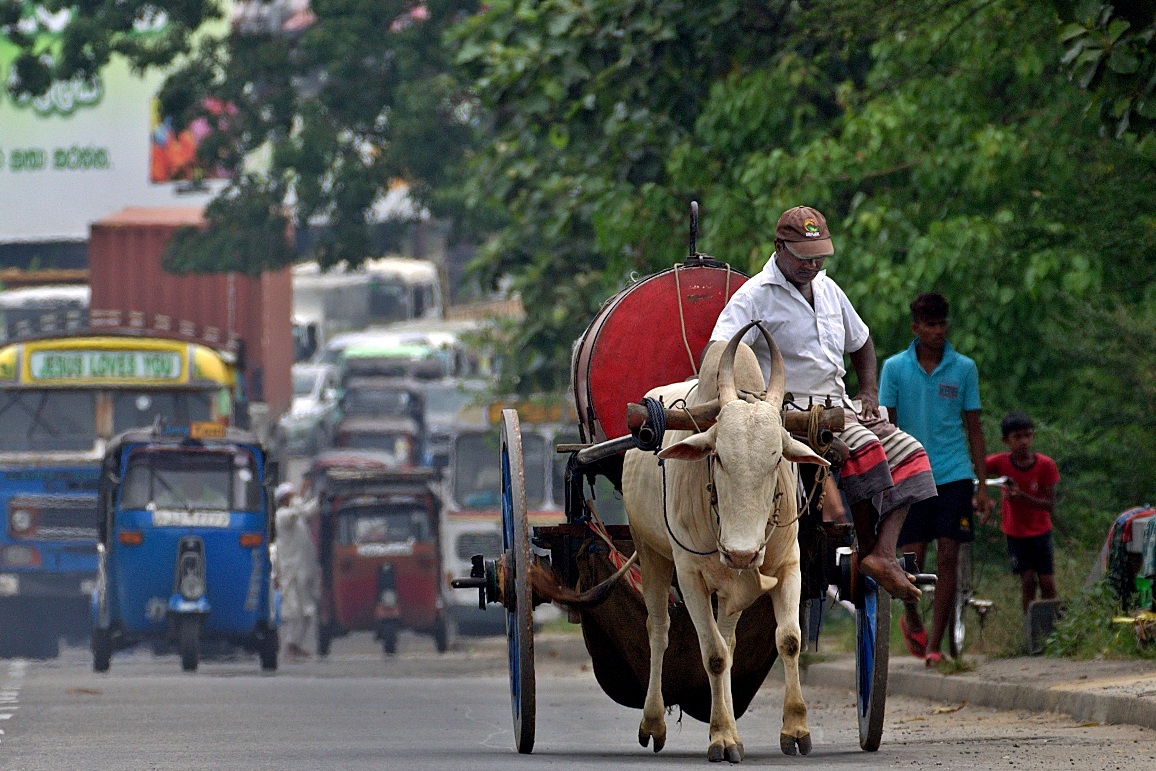
24 February - Colombo - Bentota – 80 km There was no rush in leaving and after breakfast at the hostel, and with the bike loaded, I headed south in the direction of Galle. Cycling in Sri Lanka was exhilarating, frustrating, nerve-racking, adrenalin-pumping, and sometimes pure madness.
My hands were permanently on the brakes, and I didn’t dare take my eyes
off the road while weaving through the hectic traffic, avoiding tuk-tuks,
buses, cars, trucks,
Bentota was reached shortly after midday. It had plenty of accommodation, loads of food stalls and a lovely location on the river/coast as well as a beach which stretched for miles. Add to that the beautiful Galapata Vihara Temple with its maze of underground tunnels, it was my kind of place. After finding a room and doing the laundry, a walk into town revealed not only plenty of food but also an adaptor for the strange plugs in Sri Lanka. Back at my abode, the rain came bucketing down as it can only do in the tropics. I smiled, put my feet up and opened a beer while watching the rain come down.
25 February - Bentota – Galle - 70 km
26 February - Galle – Unawatuna - 7 km Stacks of yellow coconuts were fixtures on the side of the road, ready to be hacked open with a machete. I usually stopped and after drinking the water, handed it back to the vendor, who then cracked it open and crafted a spoon from the side so one could scrape out the coconut meat within.
Soon after leaving, my route reached the old hippie town of Unawatuna. After turning off to have a look, it was so lovely I immediately found a room and stayed the rest of the day. Again, things were somewhat on the expensive side and being often over-charged was tiresome. It was, however, a pleasant village with the usual stalls selling clothes and jewellery, just what one can expect of Sri Lanka's most famous beach town.
27 February - Unawatuna – Tangalle - 80 km
The going was rather slow as every so often there was something of interest. From Buddha statues to old forts and temples.
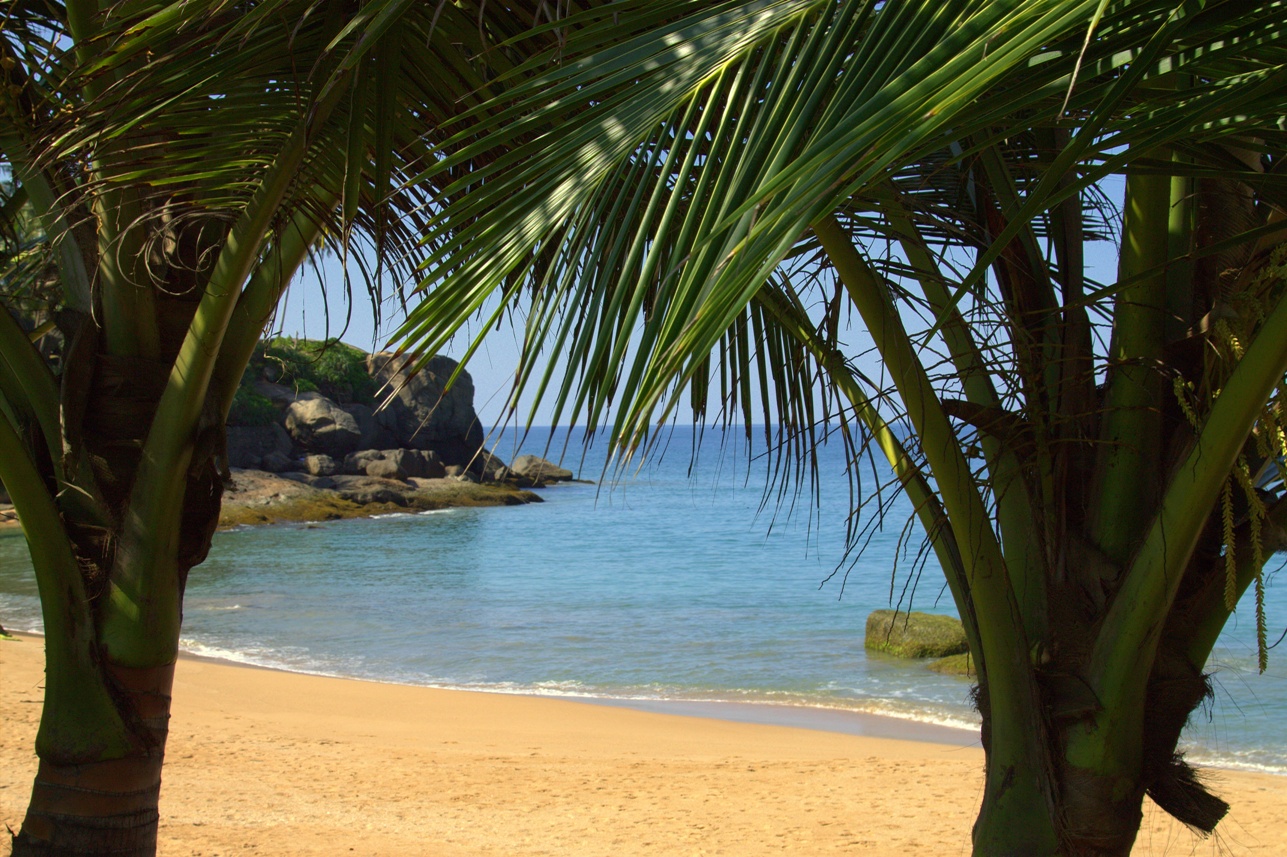
Tangalle, a paradise-like bay with cheap-looking accommodation right on the beach, lured me in. The New Beach House was everything but new, but at $10 a night, it made a perfect overnight stop, and I parked myself down with beer in hand.
28 February - Tangalle - Bundala National Park, Lagoon Inn - 100 km
The less-visited Bundala National Park appeared an excellent place for
exploring. The
Lagoon Inn was situated in a lush garden and run by a sweet couple; it
made convenient accommodation for visiting the park. Unfortunately,
nothing much came of the visit to the park as one couldn’t cycle into
the park but had to take a jeep. The jeep ride for just one person
turned out to be a bit pricey, and I had to make do with cycling the
short distance along the entrance road.
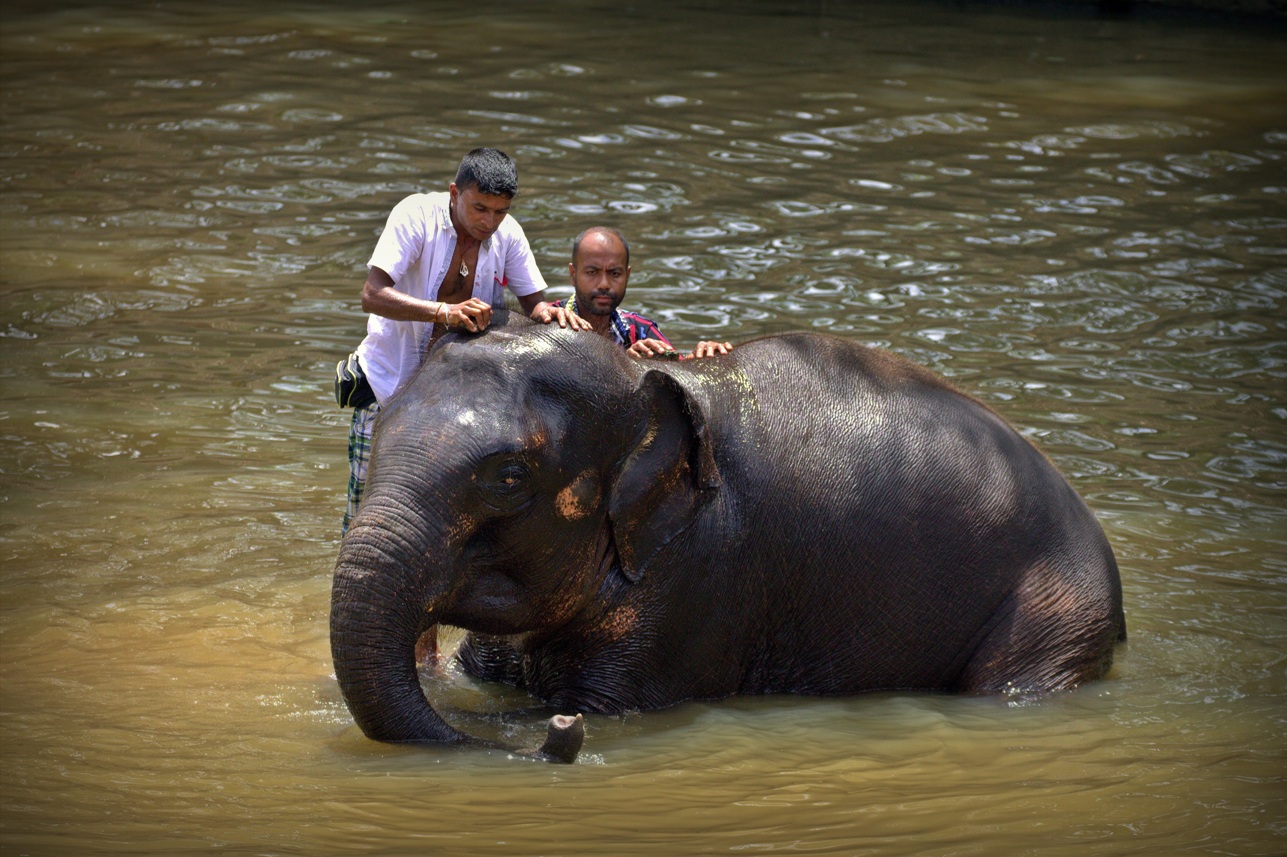
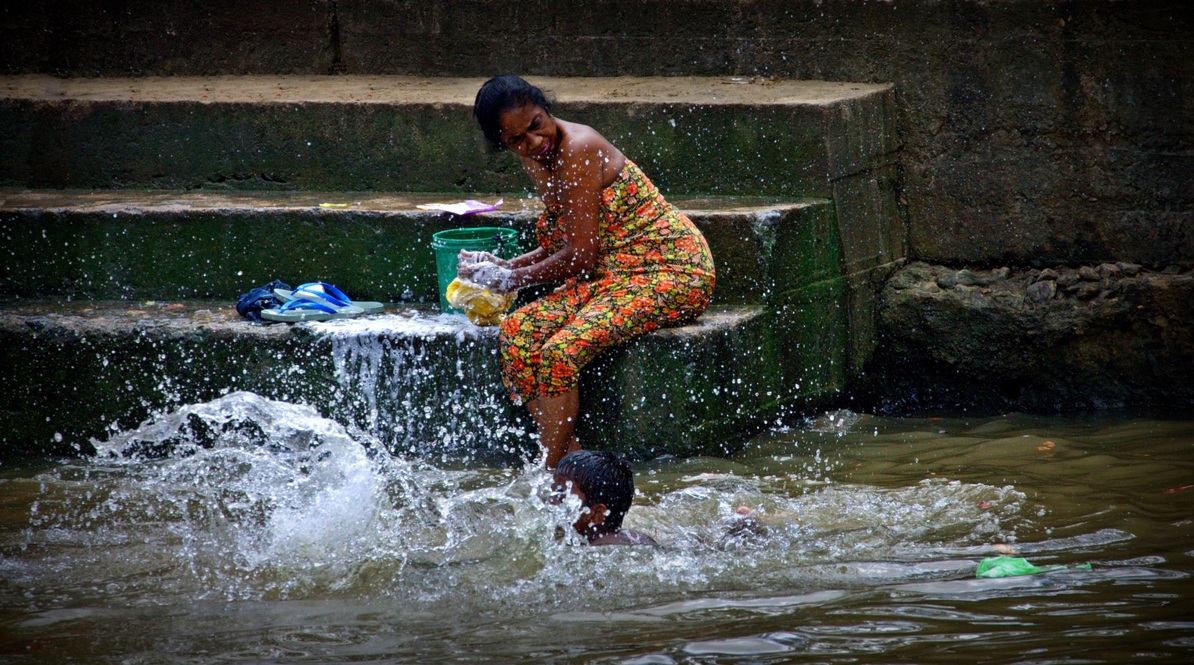
1 March - Bundala National Park to Kataragama - 40 km The short distance to Kataragama, the holiest town in Sri Lanka, made for early arrival. It was a sacred place for Buddhists, Muslims and Hindus alike. Right in the centre of the city was a large park along the banks of the Menik Ganga. The river was used by all for bathing, usually a quick wash before continuing onto the shrines. It was also used for laundry and the washing of the occasional elephant. The park was home to the Maha Devale shrine with two large boulders outside where pilgrims smash coconuts while muttering prayers. It was all very fascinating and somewhat spiritual.
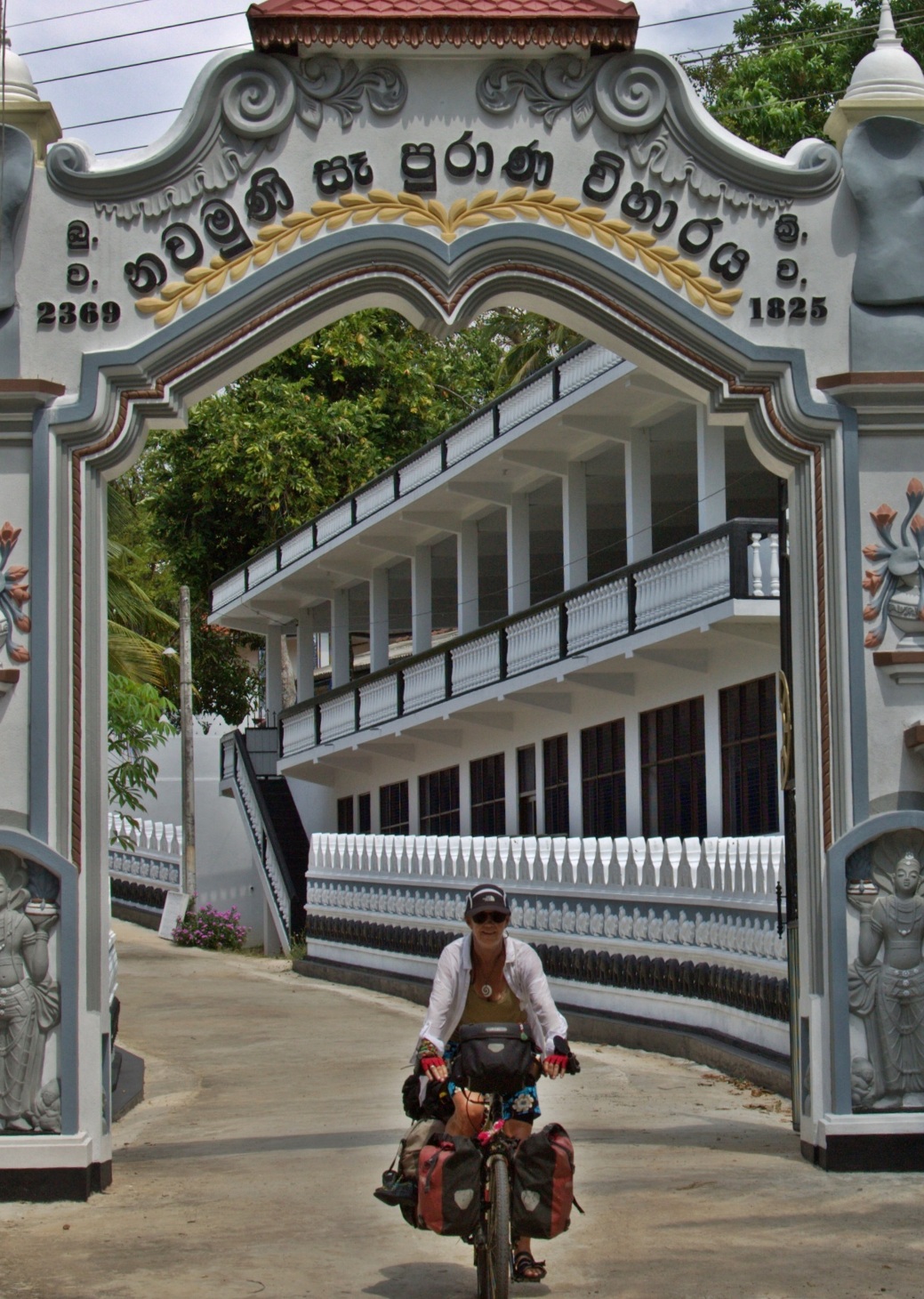
Theravada Buddhism is the religion of about 70% of the population of Sri Lanka. At these temples, the scent of frangipanis and incense hung thick in the air, and I watched as families brought symbolic offerings of flowers and fruit to their preferred deities. What a colourful and fascinating world.
2 March - Kataragama – Monaragala - 65 km
From Kataragama to Monaragala ran what was known as the “jungle road” and there were a few strange looks from the locals while asking if I wasn’t scared. I wasn’t quite sure what one was supposed to be scared of, the people or the animals. It was, however, an uneventful ride and, although keeping an eye out, I didn’t see elephants, let alone any dangerous ones.
It was boiling but, thankfully, there were plenty of stalls where one could find water along the way. The coast was about 135 kilometres away, and on spotting a cheap-looking room along the way, I offloaded my stuff and enjoyed the relative cool of a room.
3-4 March - Monaragala - Arugam Bay - 80 km It was sweltering before even getting on the bike, and it was maybe not the best idea to eat the leftover spicy fried rice from the previous night. It gave me severe heartburn - I never seem to learn.
Just before reaching Arugam Bay was the Magul Maha Vihara Ruins, a 5th-century BC ruin, set about one kilometre off the path in a densely forested area. Built by King Dhatusena (473 – 453 BC), it is said the site was probably part of a royal compound.
I love street food and was in my element in Sri Lanka (or just Lanka as locals called it.) One could pop into any of the roadside stalls and be sure to get a taste of the best prawn Vadai the streets of Lanka had to offer. It was best eaten straight after it had been taken out of the pan and while it was still crunchy. Mostly, it was served with a dip that included green sambol, chutney or curd.
Of course, there was also the famous Koththu. At night, a plethora of street-side stalls dished up Koththu, made from what is called Godamba roti. The roti, a softer version of pita bread, was chopped into pieces and lightly fried on a metal tray to which were added meat and an assortment of vegetables. Then, with two metal blades, the cook would chop all ingredients together. The result was a delicious collection of chopped ingredients which could comprise of anything, from roast chicken, seafood, sausages, egg, onion rings, veggies, a selection of unidentifiable sauces and of course, plenty of chillies and spices.
Another day was spent in Arugam Bay as it was a “swing-another-day-in-a-hammock” kind of place. I swam in the lukewarm waters of the Indian Ocean and ate my way through the day. My very favourite was the chickpeas with chilli, coconut and curry leaves. It wasn’t too spicy and a delicious snack I could nibble on while walking along.
5-6 March - Arugam Bay – Batticaloa - 115 km
It was a long, hot day on the road, and I was happy to reach Batticaloa. A basic room provided a bed where the fan seemed of little help to cool the room. A walk across the bridge to the more central part of Batticaloa revealed plenty of food as well as an ATM - precisely what was needed. The next day was spent on the beach and visiting the Old Dutch Fort and some of the other historical places in town. It was another scorcher and, eventually, it was best to head back to my (not so very cool) room.
7 March - Batticaloa – Mutur - 115 km
It was a strange place where I’m sure they never had a foreign tourist before. It felt like the other occupants came to have a look, and even the owner rocked up later checking if everything was OK. He proceeded to send his “house boy”, as he called him, to get me a meal of fried rice from the local restaurant, which was much appreciated.
8-9 March - Mutur – Uppuveli - 38 km
The next town was Trincomalee, or just Trinco. The way was flat and
followed the coast past China Bay with all its fishing boats and then
through Trinco. There was nothing of interest in Trinco and after
another six kilometres the beachy village of Uppuveli appeared.
The Aqua Hotel in Uppuveli sounded fancier than what it was. It was, in fact, a real nice backpacker place with a bar, a swimming pool and plenty of tables and chairs right on the beach. It was the kind of place where one could park off for a few days. There was no intention of parking off for a few days, but I did stay the next day as well.
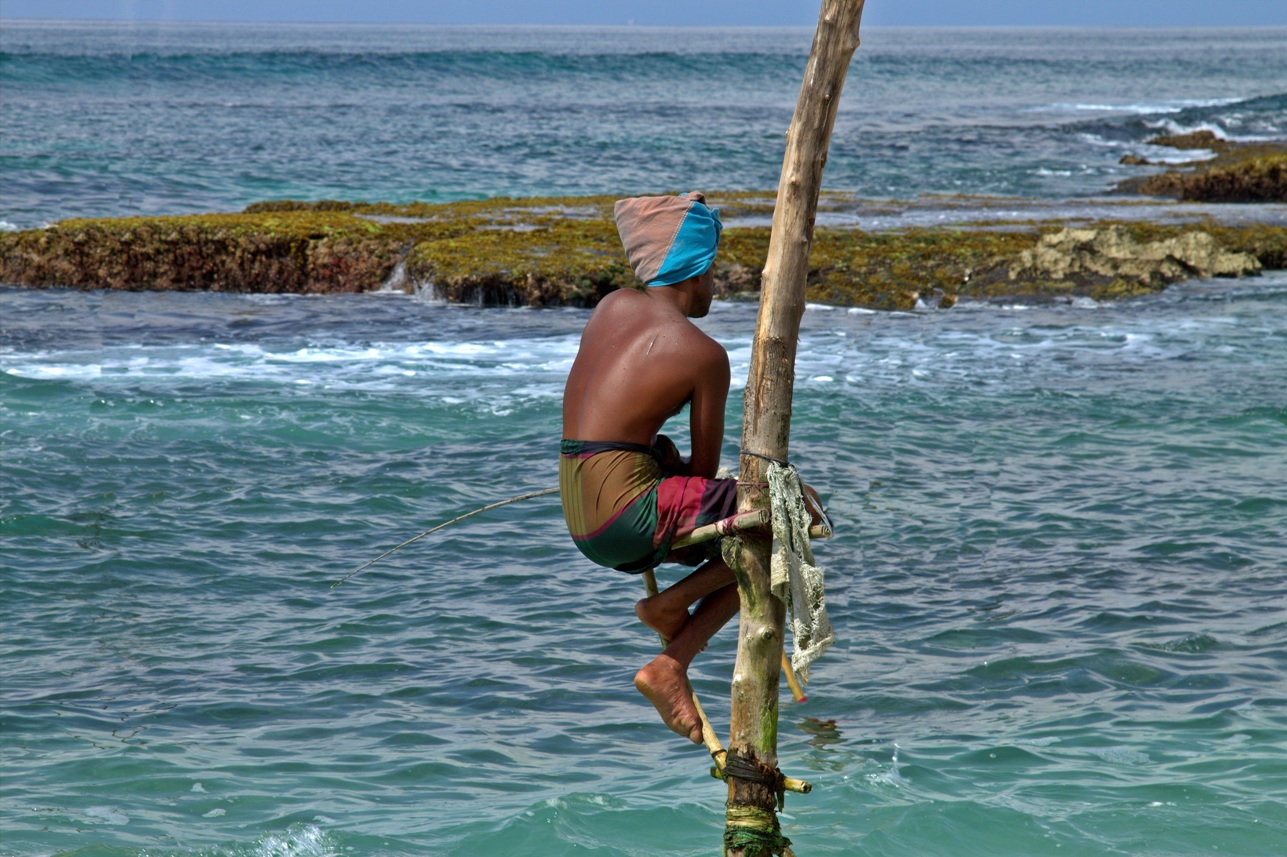
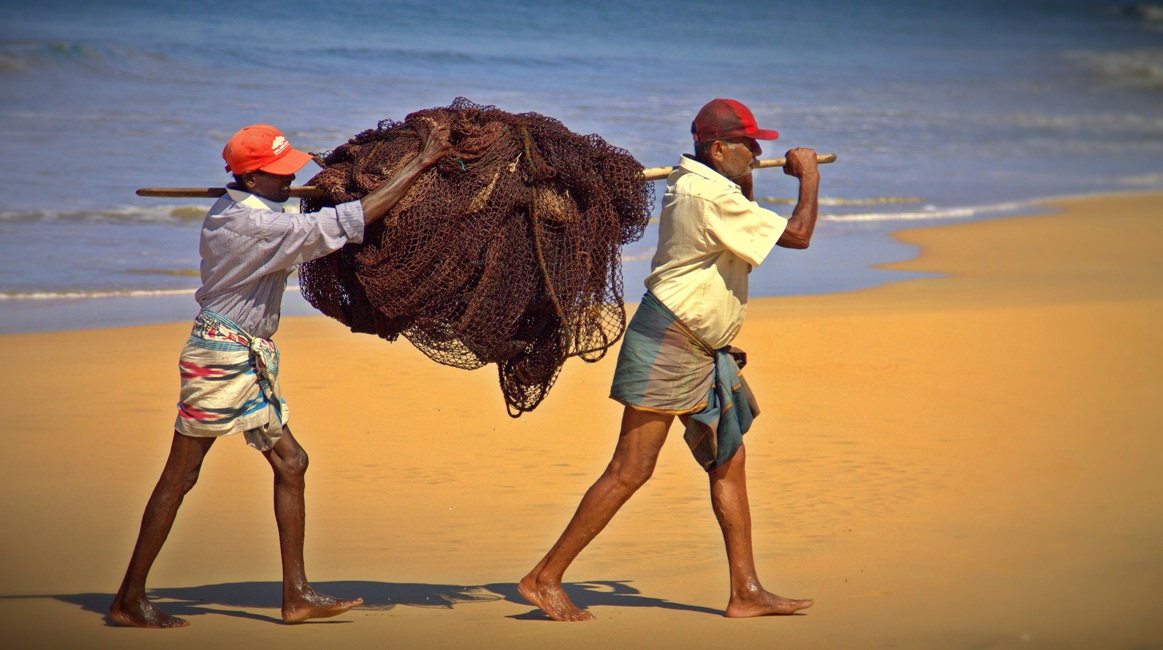
There wasn’t anything to do, but to take a walk along the beach into town to buy a few things to nibble on. The Aqua Hotel had a restaurant, and although the food was mediocre, it was reasonably priced. The walk along the beach was enjoyable, past rows and rows of fishing boats and fishermen bringing in their nets. The area was hard hit in wartime as well as by the 2004 tsunami, and most of the houses looked like they wouldn’t withstand strong winds, let alone another tsunami.
Their internet came in handy to check where to go next. I didn’t come up with any bright ideas, except for the fact that the best would, most likely, be to return to Thailand from where one could cycle to Myanmar, a place I haven’t cycled before. It was also said that Bangkok was the easiest place to get a visa for Myanmar. I hoped it would still be like that by the time of my arrival.
10-11 March - Uppuveli – Anuradhapura - 120 km After an early morning yoga session, it was back on the bike, and it was already sweltering by then. Fortunately, the road was reasonably flat with just the slightest of tailwinds. Once in Anuradhapura, it took some cycling around to find a room.
The next day was spent in the ancient and sacred city of Anuradhapura. It is understood the city was built around a cutting of Buddha’s fig tree (the Bodhi tree, or tree of enlightenment). The cutting was brought to Sri Lanka in the third century by Sanghamitta, a Buddhist nun who came to visit the island.
The Kingdom of Anuradhapura flourished for 1,300 years before being
invaded in 993 and today Anuradhapura is a large, sprawling complex of
archaeological wonders and ruins, built during Anuradhapura’s thousand
years’ rule over Sri Lanka.
The Jetavanarama Dagoba was impressive. Built in the third century by Mahasena, historians estimate it initially topped 120 metres, but today is only about 70 metres. At the time of construction, it was almost certainly the third-tallest monument in the world, the first two being the Egyptian pyramids. It is said to consist of more than 90 million bricks. A British guidebook from the early 1900s calculated that Jetavanarama contained enough bricks to make a three-meter-high wall, stretching from London to Edinburgh.
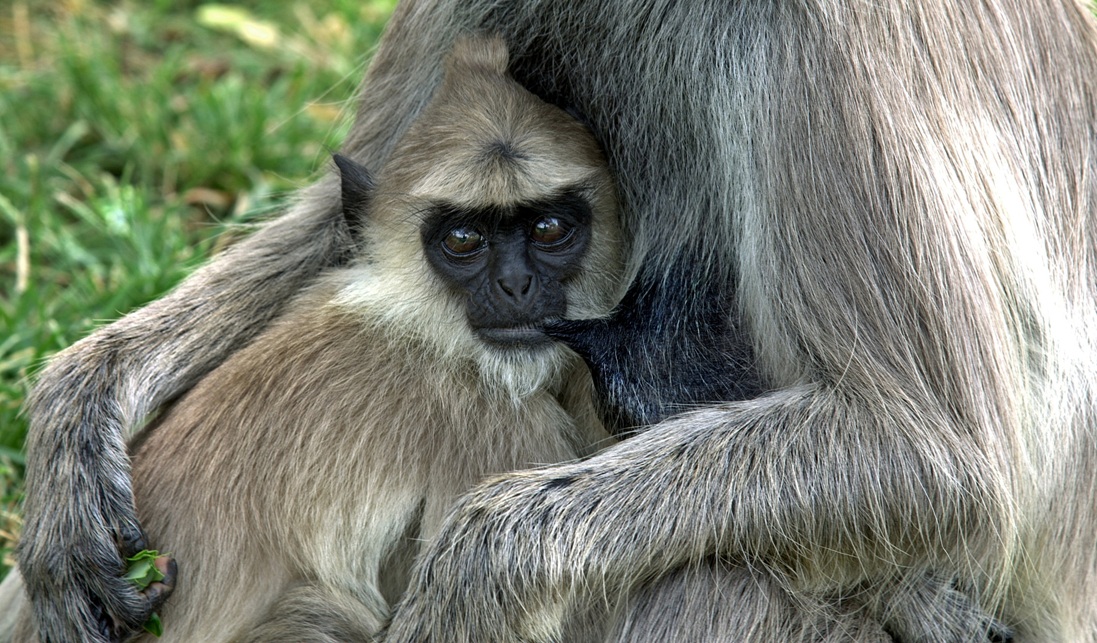
It was a fascinating area which appeared half overgrown and overrun by monkeys. People, however, still lived in the city, and the old temples are still in use today. The most famous being the sacred Bodhi tree (mentioned above). The tree is said to be the oldest plant in the world of known planting date. The tree itself wasn’t very impressive, as I expected a large tree with a very thick trunk. Instead, it was a rather scrawny one.
12 March - Anuradhapura – Puttalam - 80 km It was an uneventful day making my way to Puttalam on the West Coast. Just before reaching the A3 leading in the direction of Colombo, a budget-looking abode got my attention. There was no reason whatsoever to stay there, but I did it anyway, and after doing laundry, a short walk down the road led to shops and food.
13 March - Puttalam – Roadside Hotel - 105 km
There were numerous stops at colourful fruit stalls along the way, both
for a refreshing drink and to seek relief from the sweltering heat. It
was fascinating to watch them prepare
the drinks. First, the orange or lime was cut in half, and the juice
squeezed into a glass. Then they added a pinch of salt, water and
crushed ice. Like world-class cocktail waiters, they mixed the
ingredients using a plastic jug, switching the drink from the
Again, I stopped at a few temples along the way, all very colourful. The peafowl is native to South Asia, and in Sri Lanka most of the temples were decorated with these brightly coloured birds, which gave it quite a festive feel.
It was slightly further than expected, not that it made any difference as there was no intention of going all the way to Colombo. It started raining and drenched I cycled to a hotel to find accommodation for the night.
14-15 March – Roadside hotel - Colombo - 50 km The following day was a short ride into Colombo, but the traffic was heavy, and it took all my concentration to stay out of harm’s way, eventually making it back to the Clock Inn hostel just before the rain came down again. Fortunately, the hostel kept my bike box, which saved me going to look for one in town.
The following day the bicycle was packed, and panniers rearranged in such a manner they all fitted into one large bag. A visit to the hairdresser made me look nearly like a normal person.
16 March - Colombo, Sri Lanka – Bangkok, Thailand With a flight to Bangkok, Thailand booked it was time to arrange for a taxi. A few hours later, the flight touched down in Bangkok, and it was just as I remembered from a few years back. I headed straight for “backpackerville” where one could stroll the streets and buy deep-fried scorpions on a stick amidst colourful and ornate temples. |